Vintage Camera Coquette Aesthetic: How To Master The Flirty, Nostalgic Look
Have you ever scrolled through social media and paused at those dreamy, softly lit photos that feel like a secret captured from a bygone era? You know the ones—grainy textures, warm tones, and an undeniable sense of playful, romantic mystery. This is the vintage camera coquette aesthetic, a visual language that’s taking over feeds and inspiring a new generation of creators. But what exactly is it, and how can you embody this effortlessly charming style? Let’s dive into the world of soft-focus romance, film grain, and timeless flirtation.
The vintage camera coquette aesthetic is more than just a photography trend; it’s a full sensory and stylistic movement. It blends the nostalgic warmth of analog film with the playful, teasing energy of coquetry—the art of flirtation. Think of it as the visual equivalent of a whispered secret, a sideways glance, or a delicate lace glove. It’s soft, it’s textured, it’s imperfectly perfect, and it invites the viewer into an intimate, almost cinematic moment. This aesthetic rejects the stark, over-processed clarity of modern smartphone photography in favor of the soulful, unpredictable beauty of film. It’s about capturing a feeling—of longing, of whimsy, of quiet confidence—rather than just a perfectly composed shot.
The Allure of Analog: Understanding the Core of the Aesthetic
At its heart, the vintage camera coquette aesthetic is a rebellion against digital perfection. It finds beauty in the "flaws" of analog photography: the light leaks that paint surreal colors across a frame, the grain that adds tactile depth, the vignette that draws the eye inward like a gaze, and the slight color shifts that make skin tones glow with a golden, ethereal warmth. These aren’t errors; they are the signature of a lived-in, human moment. The aesthetic is deeply intertwined with the coquette persona—playful, confident, and in control of her own narrative. She is both the subject and the author of her story, using the camera not just to document, but to enchant.
A Brief History: From Film Canisters to TikTok Feeds
The roots of this aesthetic are firmly planted in the 20th century. It draws inspiration from the soft-focus glamour of 1920s silent film stars, the vibrant, saturated colors of 1970s Polaroid instant cameras, and the grainy, documentary-style snapshots of the 1990s disposable camera era. The Polaroid and disposable camera are arguably the most iconic tools of this look, democratizing instant, imperfect photography. The rise of platforms like Tumblr in the early 2010s saw a massive resurgence of vintage film aesthetics, which has now evolved and exploded on TikTok and Instagram under the specific banner of "coquette." This modern iteration adds a layer of deliberate, performative flirtation and curated softness to the nostalgic foundation.
Deconstructing the "Coquette": Style, Staging, and Spirit
The "coquette" part of the equation is just as crucial as the "vintage camera." It’s a vibe, an attitude, and a specific set of stylistic choices that create the narrative.
Wardrobe: The Uniform of Flirtation
The clothing is soft, feminine, and intentionally effortless. Key pieces include:
- Delicate Lingerie as Outerwear: Silk slips, lace-trimmed bralettes, and camisoles worn under open cardigans or blazers.
- Feminine Classics: Ballet flats, Mary Janes, Peter Pan collar blouses, pleated skirts, and sweater vests.
- Textured Layers: Sheer tops, crochet knits, and velvet accents add tactile richness that photographs beautifully.
- Color Palette: Muted, creamy tones—ivory, blush pink, dove gray, lavender—along with classic black and white. The goal is to look like you’ve stepped out of a soft-focus memory, not a fashion editorial.
Styling Details: The Devil’s in the Details
It’s the small touches that truly sell the coquette narrative. Think hair accessories like velvet ribbons or pearl barrettes, dainty jewelry (a single pendant necklace, tiny hoop earrings), and manicured nails in soft pinks or classic French tips. A vintage-inspired perfume with notes of vanilla, iris, or powder adds an invisible sensory layer to the aesthetic. Even the setting matters: a slightly unmade bed, a stack of old books, a window with morning light filtering through a sheer curtain, a single flower in a vintage vase. These are props that suggest intimacy, leisure, and personal sanctuary.
Mastering the Shot: Technical Secrets of the Vintage Camera Coquette
You don’t necessarily need a 50-year-old camera to achieve this look, but understanding its technical hallmarks is key to replicating it digitally.
Lighting: The Golden (Hour) Rule
Natural, soft, and directional light is non-negotiable. The golden hour (just after sunrise or before sunset) provides that magical, warm, diffused glow. Window light on a cloudy day is the ultimate softbox. Avoid harsh, direct overhead sunlight—it creates unflattering shadows and kills the dreamy mood. The goal is to sculpt the subject with gentle light, creating soft shadows that add dimension and mystery, much like the light in old studio portraits.
Composition & Framing: Intimacy and Imperfection
- Close-Ups & Crop: Don’t be afraid to get close. Cropping tightly on a face, a hand holding a coffee cup, or a detail of clothing creates a sense of voyeuristic intimacy.
- Off-Center Framing: Use the rule of thirds, but feel free to break it. A slightly unbalanced frame feels more candid and less "stock photo."
- Shooting Through Objects: Capturing an image through a window, a glass of water, a sheer curtain, or even a lens filter adds layers, distortion, and that coveted sense of being behind the scenes.
- Candid Motion: A slight blur from movement, a hair blowing across the face, a laugh caught mid-frame—these imperfections are the soul of the aesthetic. They say, "This is real, and it’s beautiful."
The Digital Emulation: Editing for Film Magic
If you’re shooting on a smartphone, your editing app is your best friend. The goal is to simulate film chemistry.
- Add Subtle Grain: This is the #1 most important step. Use a fine grain filter; it should be noticeable but not overwhelming.
- Warm the Tones: Increase temperature slightly and add a touch of magenta or orange to shadows for that classic Kodak Gold or Fujifilm Superia look.
- Soften Contrast & Clarity: Pull back on contrast and clarity to reduce digital sharpness. Increase the "fade" or "blacks" sliders to mute pure black.
- Vignette is Your Friend: A gentle, dark vignette (around -10 to -20) focuses the viewer’s eye inward and adds an old-school lens feel.
- Light Leaks & Dust: Use sparingly! A faint, organic-looking light leak in a corner or a few dust scratches can add authenticity, but overdoing it looks kitschy.
Essential Gear: From Authentic to Aspirational
You can achieve the look with any camera, but certain tools are iconic.
The Authentic Route: Shooting on Real Film
- Point-and-Shoot Film Cameras: The undisputed kings of the aesthetic. Models like the Contax T2, Yashica T4, or Olympus XA are legendary (and expensive). More accessible options include any working 35mm point-and-shoot from the 90s or a disposable camera.
- Instant Cameras: The Polaroid Now/OneStep or Fujifilm Instax cameras provide the immediate, tangible, and inherently nostalgic result. The unique color science and white borders are part of the charm.
- Twin-Lens Reflex (TLR) Cameras: Like the Lomography Lubitel or vintage Rolleiflex, these offer a dreamy, square-format image with a classic, waist-level viewing experience.
The Digital Route: Modern Tools for a Vintage Feel
- Smartphone + Lens Attachments: A simple 50mm equivalent portrait lens attachment on your phone can create a beautiful, shallow depth of field that mimics a film camera.
- Apps for In-Camera Filters: Apps like Halide (iOS) or ProCam allow for manual control and often have built-in film simulation profiles.
- Dedicated Film Simulation Cameras: Cameras like the Fujifilm X100V or X-T4 with their built-in "Classic Chrome" or "Astia" film simulations are digital powerhouses for this look right out of the camera.
Building Your Vintage Camera Coquette Mood Board
To truly internalize the aesthetic, curate your inspiration. Search for hashtags like #vintagecameraesthetic, #coquetteaesthetic, #filmaesthetic, #filmphotography, #softaesthetic, and #polaroid. Follow photographers and creators who specialize in this style. Look beyond photography to fashion editorials from the 70s, French New Wave cinema (Godard, Truffaut), Sofia Coppola’s filmography, and even painting—the soft, intimate portraits of Renoir or the domestic scenes of Berthe Morisot. Notice the common threads: the light, the color, the emotion, the sense of a private story being shared.
Common Pitfalls to Avoid: When Coquette Becomes Cliché
The line between charming and cringe is thin. Here’s how to stay on the right side.
- Over-Editing: Too much grain, too strong a vignette, or oversaturated colors look artificial. Subtlety is key. The edit should feel invisible, like the photo was always that way.
- Lack of Authenticity: The pose should feel natural, not a stiff recreation of a pose you saw online. The coquette energy comes from genuine playfulness and self-assurance, not from a rigid formula.
- Ignoring Context: A vintage filter on a poorly lit, badly composed photo won’t save it. Master the fundamentals of light and composition first.
- Forgetting the Narrative: Every photo should feel like a snippet of a larger, intriguing story. Ask yourself: what’s happening just outside the frame? What was said just before this moment was captured?
The Coquette Ethos: Confidence, Not Performance
Ultimately, the vintage camera coquette aesthetic is an attitude. It’s about cultivating a sense of quiet confidence and playful self-possession. It’s the feeling of being completely at ease in your own softness and strength. The vintage camera is merely the tool that helps you frame that feeling. It’s about finding magic in the mundane, beauty in imperfection, and power in a gentle, knowing smile. It’s not about performing for the male gaze; it’s about curating a world—through light, texture, and style—that reflects your own inner romanticism and strength. It’s a love letter to slower moments, to tangible memories, and to the art of looking, and being looked at, with intention.
Conclusion: Capturing Your Own Timeless Moment
The vintage camera coquette aesthetic endures because it taps into a deep, universal longing for connection, nostalgia, and tangible beauty. It offers an escape from the hyper-real, algorithm-driven digital world into a softer, more poetic realm. Whether you’re hunting for a Contax T2 on eBay, downloading a film simulation app, or simply learning to seek out the perfect window light, you are participating in a ritual of mindful creation. You are learning to see the world through a lens of romance and to present yourself with a curated, authentic charm.
So, embrace the grain. Chase the light. Let your style tell a story of quiet flirtation and timeless elegance. Pick up your camera—vintage or modern—and start capturing not just images, but feelings. Build your own archive of soft-focus memories. In a world that often demands sharpness and speed, there is profound power in choosing to be soft, nostalgic, and utterly, deliberately enchanting. That is the true essence of the vintage camera coquette.
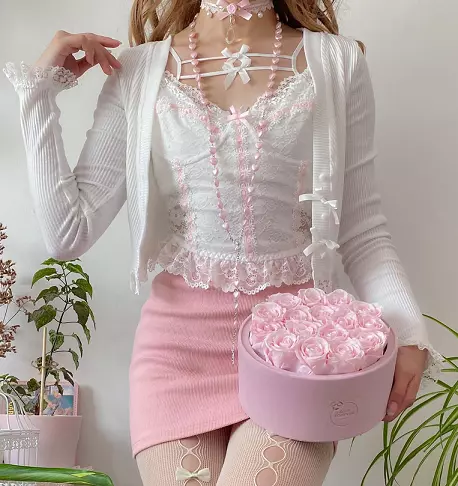
How To Rock The Coquette Aesthetic - obxess

Coquette Aesthetic: How to Wear This Ultra-Feminine Style

Coquette Aesthetic: How to Wear This Ultra-Feminine Style

